



What Webflow's agentic web shift means for your web projects
You have seen the phrase everywhere in the last weeks: the agentic web. Webflow just put it at the center of its strategy, framing the future as a platform where AI agents work alongside the team. The honest question is not whether the term sounds impressive. It is what actually changes for the web project in front of you, whatever it is: a brochure site, a complex marketing site, a store, or an internal management tool.
Here is our read, from inside the work.
The signal underneath the announcement
Webflow's message was clear on one point. The market for simple websites is being absorbed by AI builders that launch a basic page in minutes. So the platform is moving in the opposite direction, toward depth: projects connected to the rest of the stack, that run experiments, and that evolve at the speed the business needs, with agents as part of the team.
The thesis reaches well beyond Webflow. What separates a project destined to be commoditized from one that becomes a business asset is not the template you pick. It is the depth, and how connected it is to the tools the business actually runs on.
The same principle, across the spectrum
A pure brochure site is something almost anyone can generate today. But the moment a project has logic, data, and processes behind it, the story changes.
A serious marketing site has to personalize, test, and connect to CRM and analytics.
A store has to combine editorial storytelling with a reliable commerce engine for catalog, checkout, and tax.
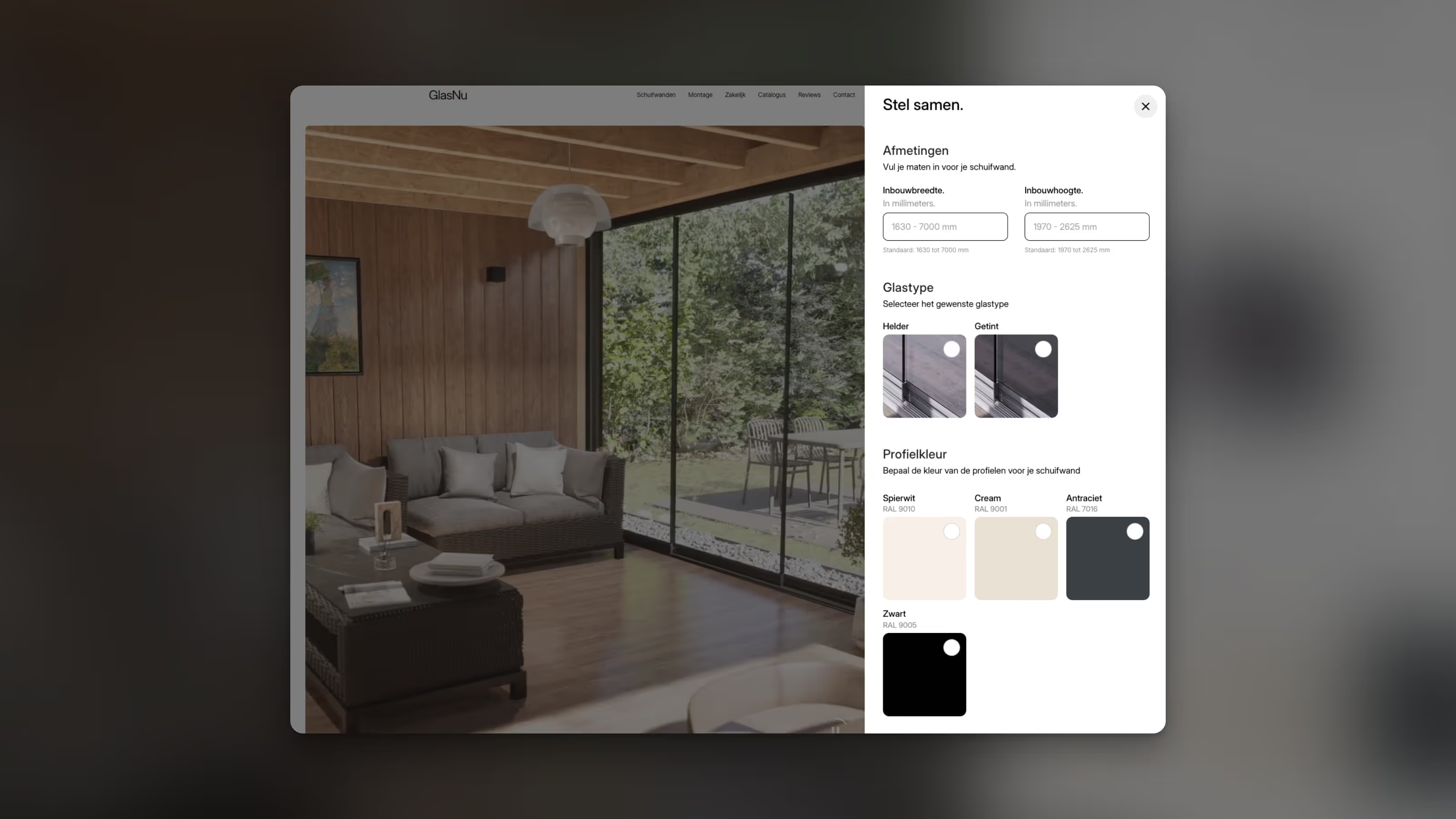
A management tool has to reflect real processes, integrate with existing systems, and hold up to daily use by the people who work in it.
In every one of these cases the value is not in the page. It is in the depth and the connections. And that is exactly the ground a lightweight AI builder cannot reach.
The three layers of an agentic project
We think about it as three layers that have to work as one.
Interface and experience. Whether it is a site or the interface of an internal tool, it needs the control of a custom project, not the rigidity of a template. This is where tools like Webflow and a tailored front-end make the difference.
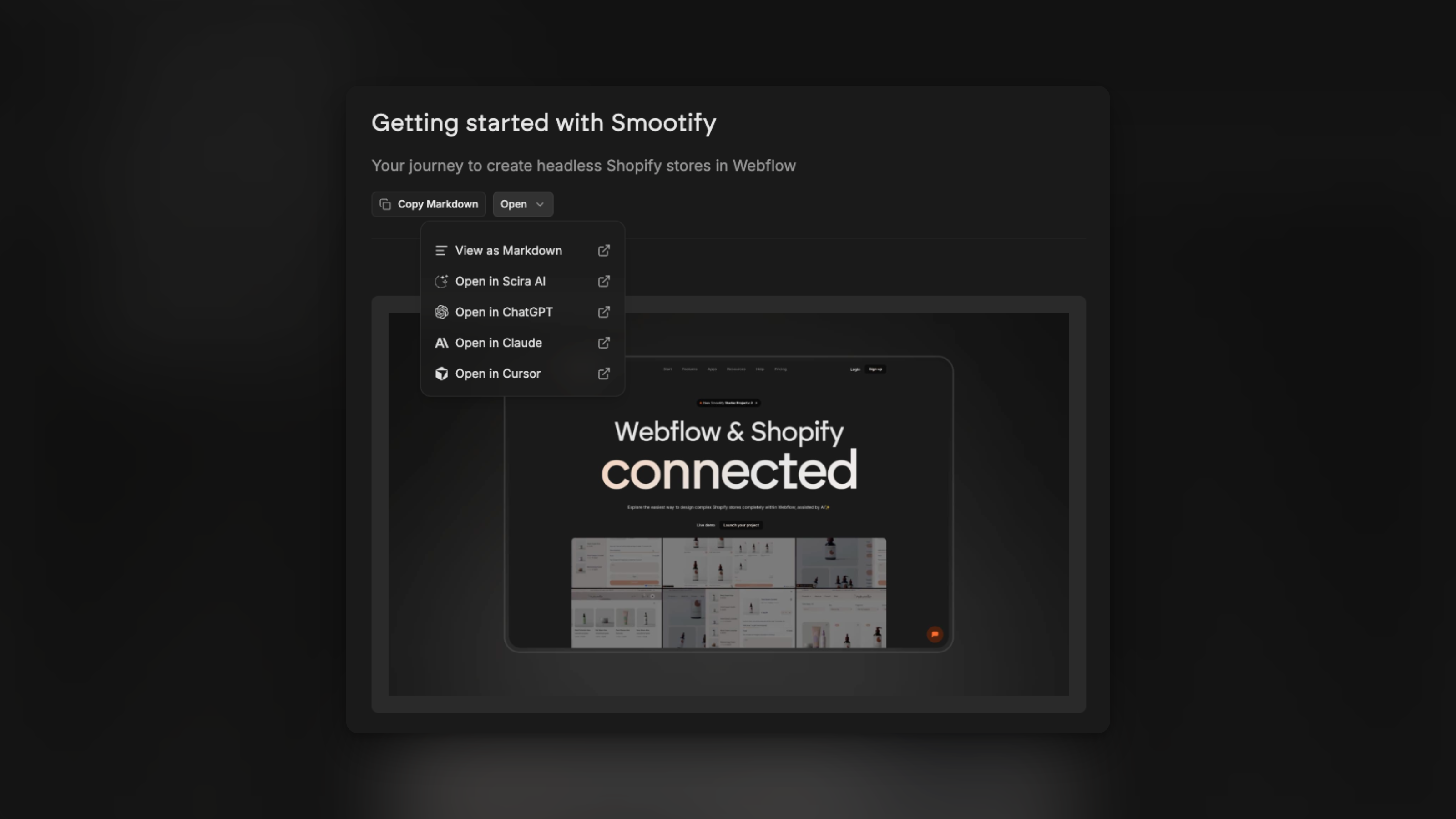
System and data. Under the interface you need substance: CMS, integrations, backend, and when there is commerce an engine like Shopify connected natively through Smootify. This is the layer that makes a project useful, not just good looking.
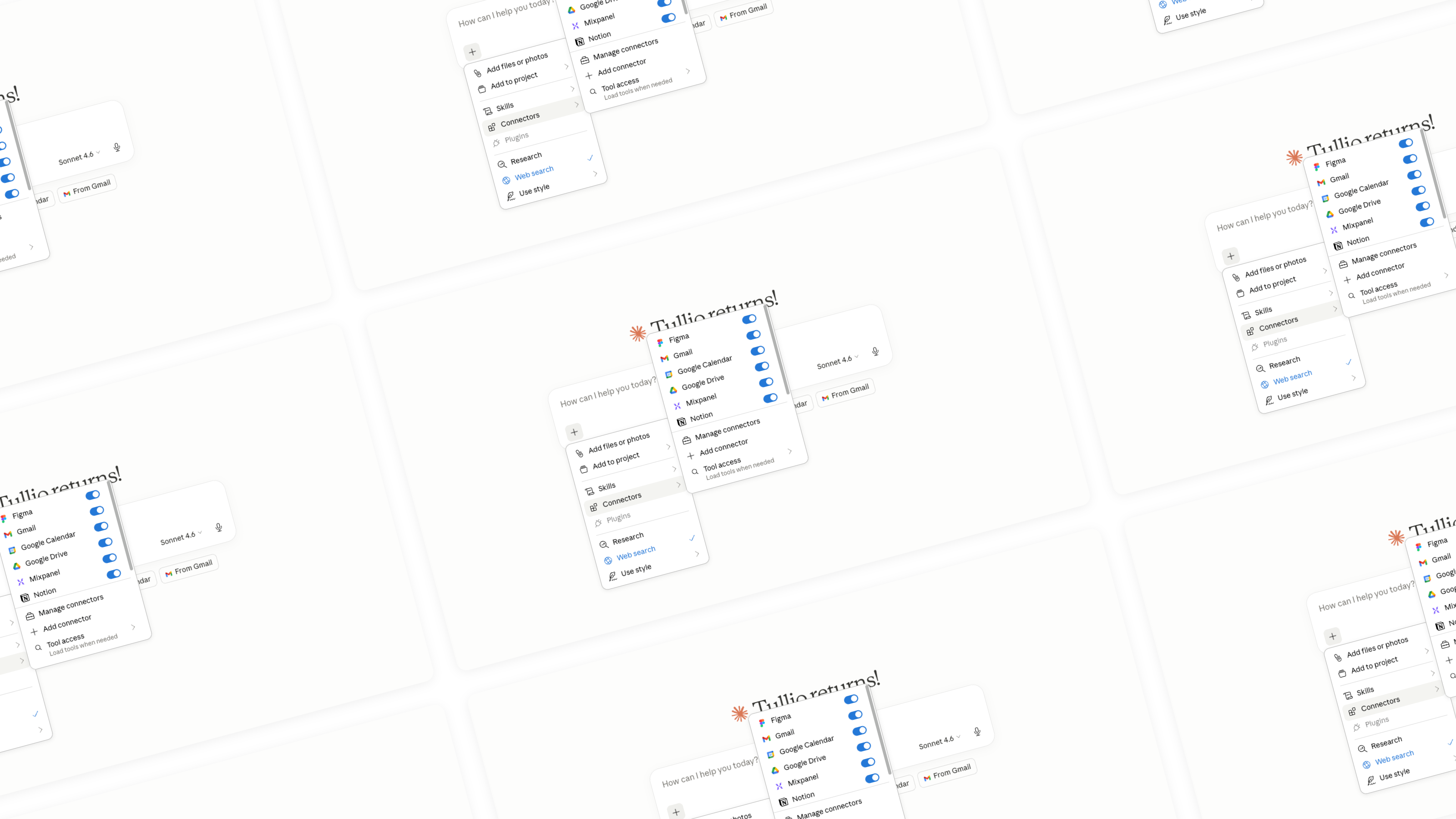
Agents and automation. This is the new layer. Agents that write and localize content, keep data aligned across systems, flag problems before they cost you, and take operational work off the team. This is the part most projects do not have yet, and the part we are already building into client workflows.
What agentic actually looks like
Concrete, not hype:
An agent that generates and updates content across an entire site in multiple languages, keeping tone consistent.
An agent connected to your design, CMS, and project tools that turns a brief into a first draft of a page, so the team starts from 70 percent instead of zero.
An agent inside a management tool that handles repetitive tasks, syncs data across different systems, and warns you when something does not add up, before it becomes a problem.
An agent that monitors data from a sales channel and flags mismatches before they block a campaign.
None of this replaces the people. It removes the operational drag that keeps them from the work that matters.
The honest caveat
Agents will not save a project without a clear direction. They amplify whatever is already there. A project with a solid structure and a connected stack gets a force multiplier. A project built on confused foundations and disconnected tools gets faster mediocrity.
The agentic web is not a reason to rebuild on hype. It is a reason to get the foundations right first: a considered interface, a connected stack, and clean data the agents can act on.
Where we stand
We build web projects across the full spectrum, from simple sites to complex management tools, connecting interface, systems, and now the agent layer. It is work we do every day, and the agentic layer is the natural next step. If you are trying to separate the signal from the noise on what this means for your project, that is the conversation we are having every week.
Tell us where your project is today, and we will tell you honestly what an agentic setup would and would not change for you.
.jpeg)
.avif)


.avif)