





Why we built Smootify
The honest answer to why we built Smootify is that we got tired of telling clients it could not be done cleanly.
The problem we kept hitting
Webflow is exceptional for design. It gives agencies and designers a level of visual control that no other platform comes close to. Shopify, on the other hand, is one of the most robust and reliable e-commerce backends available. The ecosystem, the payment infrastructure, the order management, the app integrations: for serious e-commerce, Shopify is hard to beat.
The problem is that the two platforms were not designed to talk to each other. And for a certain type of client, that gap was genuinely painful.
These were clients who needed a marketing site or a brand experience that felt truly custom, designed to a level of detail that Shopify's native themes could not support. But they also needed to sell products, manage inventory, handle subscriptions, and process payments through infrastructure they trusted. They did not want to compromise on either side.
For years, the standard answer was: pick one. Either live with Shopify's design constraints, or build a fully custom storefront from scratch and accept the engineering overhead. Neither option was satisfying.
What we tried before building our own solution
Before committing to building Smootify, we spent time testing every available workaround.
Embedding Shopify's Buy Button into a Webflow site was the most common approach. It works, to a point. But the Buy Button is a contained widget with limited customization. The moment a client wanted the cart to feel like part of their site rather than a foreign element dropped in, the limitations became obvious.
There were also third-party connectors, but most were brittle, poorly maintained, or required so much custom configuration that they created more problems than they solved. When something broke in the integration, debugging became a project in itself.
We needed something that was built specifically for this use case, maintained properly, and integrated deeply enough to actually feel native on both sides.
What Smootify does
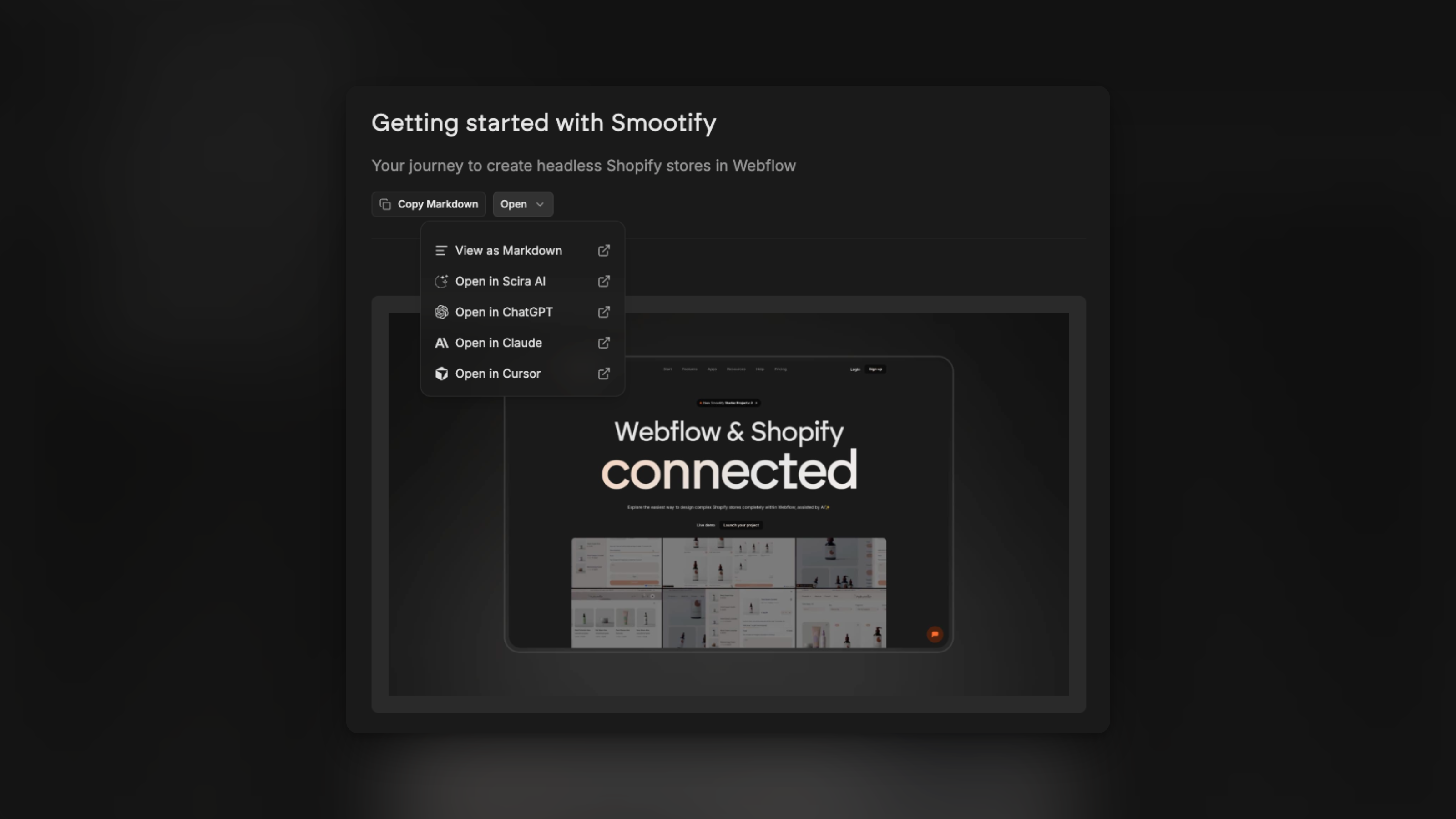
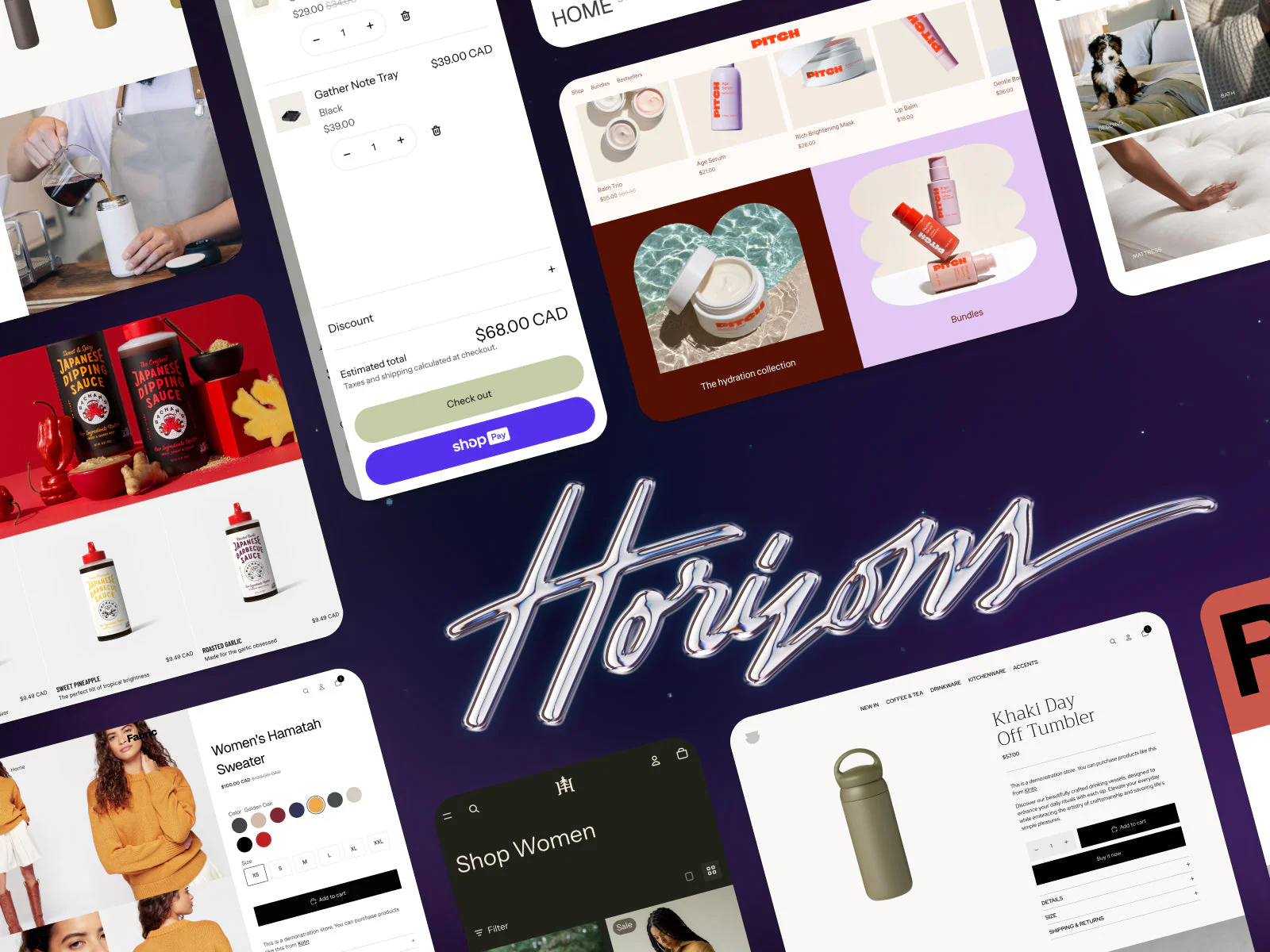
Smootify connects Webflow and Shopify at a meaningful level. Products, collections, cart functionality, and checkout flow through Shopify's infrastructure while the entire visual experience is designed and managed in Webflow.
For the client, this means they get the design freedom of Webflow without giving up the e-commerce reliability of Shopify. For us, as an agency, it means we can build brand experiences that are genuinely differentiated without hacking together fragile workarounds.
The app is available on both the Webflow Marketplace and the Shopify App Store, which matters. It is not a side project or an internal tool we decided to release. It is a product we have built, maintained, and iterated on based on real usage by a large and growing number of users.
What building a product taught us about being an agency
Shipping Smootify changed how we think about client work in ways we did not anticipate.
When you build a product, you feel the weight of every design decision differently. A confusing onboarding flow does not just frustrate one client in one meeting. It frustrates hundreds of users and you hear about it. That feedback loop made us more rigorous, more user-focused, and more honest about the gap between what we think is intuitive and what actually is.
It also gave us credibility in conversations that would otherwise be difficult. When we recommend Webflow to a client who needs e-commerce, we can back it up with something we built ourselves. We are not just reselling a workflow. We solved the problem and made it available to anyone.
You can learn more about Smootify and how it works on the dedicated product page.



.jpeg)
.avif)



.avif)